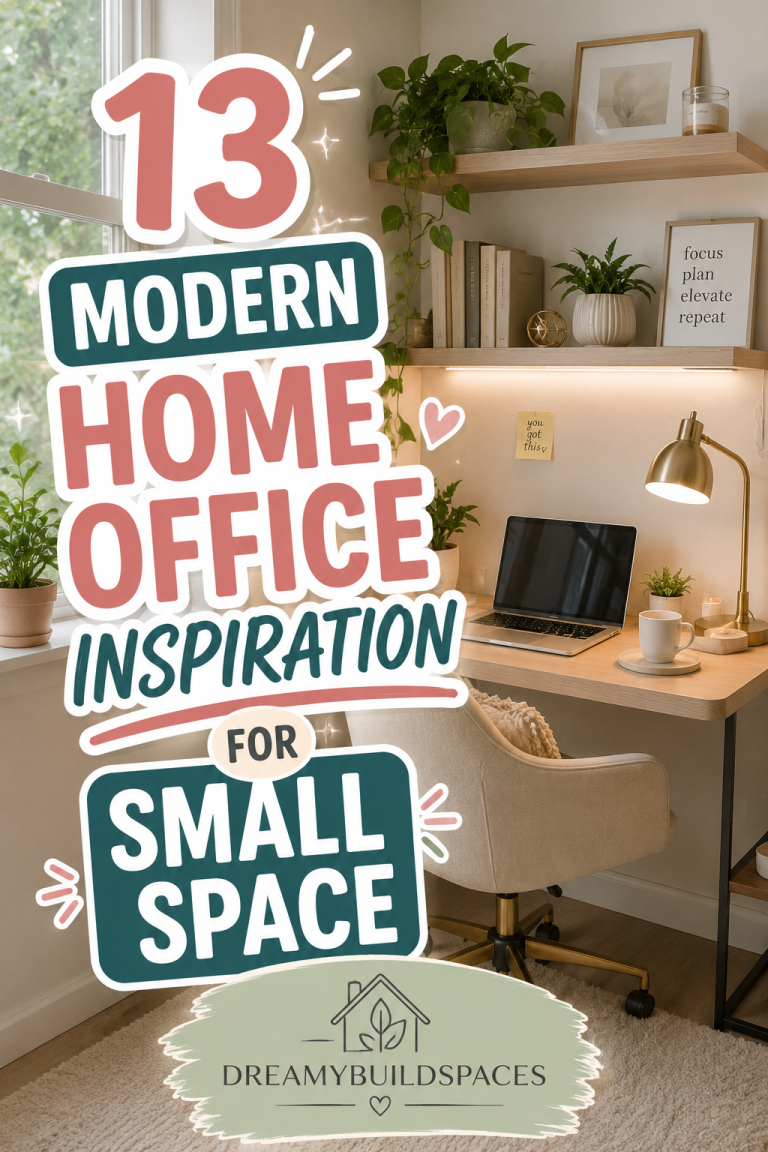
15 Cozy Home Office Inspiration Ideas
The way we work has changed dramatically over the past few years, making the home office one of the most important spaces in modern homes. What was once considered an optional extra room has now become a daily workspace, creative studio, study area, and productivity zone for millions of people. As remote work, freelancing, online businesses, and hybrid schedules continue to grow, homeowners are placing greater emphasis on designing home offices that are both functional and comfortable.
A cozy home office goes far beyond simply placing a desk and chair in a spare room. It is about creating an environment that supports focus, encourages creativity, reduces stress, and makes working from home a more enjoyable experience. The atmosphere of a workspace directly influences productivity, mood, and motivation. A cold, cluttered, or poorly designed office can feel draining, while a warm and inviting office can inspire better work and greater satisfaction throughout the day.

Cozy home office design combines practicality with comfort. Soft textures, warm lighting, calming colors, comfortable furniture, and personalized décor work together to create a space that feels welcoming rather than purely functional. The goal is to design an office that supports productivity while maintaining the comfort and warmth of home.
One of the biggest advantages of a cozy office aesthetic is its flexibility. Whether you have an entire room dedicated to work, a small apartment corner, a converted guest room, or a compact nook under the stairs, cozy design principles can be adapted to fit any space. Large offices may incorporate reading corners, bookshelves, and lounge seating, while smaller workspaces can rely on thoughtful lighting, decorative accessories, and smart storage solutions.
Color plays an important role in creating a cozy atmosphere. Soft neutrals, warm whites, earthy tones, muted greens, gentle grays, and natural wood finishes contribute to a calming environment that reduces visual stress. These colors create balance and make the workspace feel more peaceful and inviting. Unlike harsh bright colors, warm palettes encourage concentration and relaxation simultaneously.
Lighting is another essential component of a cozy office. Natural light remains one of the most valuable elements in workspace design, helping improve mood and reduce eye strain. In addition, table lamps, floor lamps, wall sconces, and warm LED lighting create layers of illumination that add depth and comfort to the room. Soft lighting can make long work hours feel less exhausting while contributing to a welcoming atmosphere.
Texture also plays a major role in cozy office design. Plush rugs, soft throw blankets, upholstered chairs, woven baskets, linen curtains, and natural wood surfaces create visual warmth and comfort. Layering different materials prevents the office from feeling sterile or overly corporate.
Furniture selection is equally important. Ergonomic chairs, practical desks, comfortable seating, and functional storage pieces allow the office to remain efficient while supporting physical comfort. A workspace should be designed around daily habits and individual needs, ensuring that productivity and comfort work together.
Personalization is another defining feature of cozy home offices. Family photos, artwork, plants, books, candles, decorative objects, and meaningful accessories help transform the office into a space that reflects personal style. These details make the room feel inspiring and unique rather than generic.
Plants have become especially popular in home office design because they bring life and freshness into the workspace. Greenery softens hard surfaces, improves visual appeal, and creates a stronger connection to nature. Even a few small indoor plants can significantly enhance the overall atmosphere.
Storage solutions are equally important in maintaining a cozy environment. Clutter can quickly make a workspace feel stressful and overwhelming. Built-in shelving, decorative baskets, filing cabinets, floating shelves, and hidden storage systems help maintain organization while contributing to the room’s aesthetic appeal.
The rise of social media and interior design inspiration platforms has also encouraged homeowners to create offices that are visually appealing as well as functional. Cozy office aesthetics have become particularly popular because they balance productivity with comfort, creating spaces that feel beautiful enough to share while remaining highly practical for everyday use.
Whether your style leans toward modern minimalism, rustic farmhouse, Scandinavian simplicity, vintage charm, bohemian warmth, or contemporary elegance, cozy design principles can be incorporated into any home office. The key lies in creating a space that feels inviting, organized, and supportive of your daily routines.
In this collection of 15 Cozy Home Office Inspiration Ideas, you will discover practical ways to transform your workspace into a warm and comfortable retreat. From lighting and furniture choices to décor, organization, and personal touches, each idea offers inspiration for designing an office that promotes productivity while embracing the comfort of home.
A cozy office is not simply a place to work. It becomes a space where ideas develop, goals are achieved, creativity flourishes, and daily tasks feel more enjoyable. By combining thoughtful design, functional organization, and personal style, anyone can create a home office that feels both productive and beautifully inviting.
Idea 1: Create a Warm Neutral Color Home Office
Introduction
One of the easiest and most effective ways to create a cozy home office is by designing the space around a warm neutral color palette. Colors influence mood, concentration, and comfort, making them one of the most important elements in workspace design. Warm neutrals such as cream, beige, soft taupe, warm gray, sand, and light brown create an inviting atmosphere that feels calm and relaxing while still supporting productivity.

Unlike bright white offices that can sometimes feel cold and sterile, warm neutrals add softness and depth to the room. These shades reflect natural light beautifully and help create a peaceful environment that reduces visual stress. A neutral workspace also provides flexibility, allowing furniture, artwork, and decorative accessories to stand out without overwhelming the room.
Many luxury interior designers rely on neutral tones because they create timeless spaces that remain stylish for years. In a home office, these colors promote focus and reduce distractions. The result is a workspace that feels more like a comfortable retreat than a traditional office.
A warm neutral office works well in every design style, including modern, Scandinavian, farmhouse, minimalist, and contemporary interiors. Whether you have a dedicated office room or a small work corner, this color palette can instantly make the space feel larger, brighter, and more welcoming.
What Defines a Warm Neutral Office?
Key elements include:
- Beige and cream color palettes
- Warm white walls
- Natural wood tones
- Soft textiles
- Minimal visual clutter
- Balanced decorative elements
The goal is to create a calming workspace that encourages productivity and comfort.
Materials and Items Needed
- Warm beige paint
- Cream curtains
- Wooden desk
- Neutral area rug
- Linen storage baskets
- Soft desk chair
- Wooden shelves
- Decorative books
- Table lamp
- Beige or taupe cushions
Step-by-Step Guide
Step 1: Choose Your Base Color
Select warm shades such as cream, taupe, or soft beige for the walls and larger furniture pieces.
Step 2: Incorporate Natural Materials
Wood desks, woven baskets, and linen accessories add warmth and texture.
Step 3: Layer Similar Tones
Use multiple neutral shades to create depth without making the room feel flat.
Step 4: Keep Décor Minimal
Avoid overcrowding the workspace with excessive decorations.
Step 5: Add Soft Lighting
Warm lamps and natural light complete the cozy atmosphere.
Why This Idea Works
Neutral colors create a peaceful environment that supports concentration while making the office feel warm and inviting. The timeless palette allows for easy updates and creates a space that remains stylish and functional for years.
Idea 2: Add Soft Lighting for a Cozy Atmosphere
Introduction
Lighting has a tremendous impact on the mood and comfort of a home office. Harsh overhead lighting can create fatigue, eye strain, and an uncomfortable working environment. In contrast, layered soft lighting produces a warm and welcoming atmosphere that makes long work hours more enjoyable.
Cozy home offices often rely on multiple light sources rather than a single ceiling fixture. Desk lamps, floor lamps, wall sconces, and ambient lighting work together to create balance throughout the room. Warm white bulbs help soften the space and reduce glare, making the office feel more relaxing.
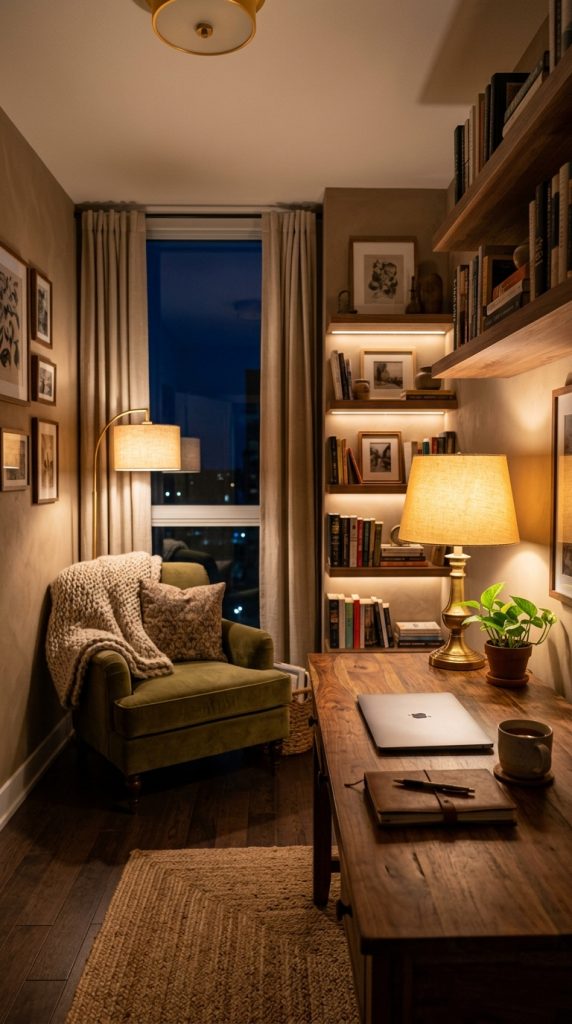
Natural light remains one of the most valuable design elements. Positioning the desk near a window can improve mood, increase energy, and make the room feel brighter and more spacious. However, soft artificial lighting is equally important for early mornings, evenings, and cloudy days.
Modern office lighting can also serve as decoration. Elegant table lamps, vintage brass fixtures, woven pendant lights, and minimalist floor lamps contribute to the overall aesthetic while providing practical illumination.
A properly lit office supports productivity, reduces eye strain, and creates an environment where people actually enjoy spending time.
What Defines Cozy Lighting?
Important features include:
- Warm light bulbs
- Multiple light sources
- Soft ambient lighting
- Reduced glare
- Decorative fixtures
- Balanced illumination
The objective is to create comfort while maintaining functionality.
Materials and Items Needed
- Desk lamp
- Floor lamp
- Warm LED bulbs
- Wall sconces
- Dimmable lighting
- String lights
- Window curtains
- Smart bulbs
- Extension cords
- Decorative lamp shades
Step-by-Step Guide
Step 1: Maximize Natural Light
Position your desk near windows whenever possible.
Step 2: Add a Desk Lamp
A quality desk lamp provides focused lighting for work tasks.
Step 3: Include Ambient Lighting
Floor lamps or wall lights help soften the room.
Step 4: Use Warm Bulbs
Choose bulbs with warm color temperatures for a cozy appearance.
Step 5: Install Dimmers
Adjustable lighting allows you to control the mood throughout the day.
Why This Idea Works
Soft lighting transforms a home office into a comfortable retreat. It improves the atmosphere, reduces visual fatigue, and makes the workspace feel far more inviting than traditional office environments.
Idea 3: Incorporate Natural Wood Furniture
Introduction
Natural wood furniture brings warmth, character, and timeless beauty into a home office. Unlike metal or plastic furniture, wood creates an immediate sense of comfort and connection to nature. This makes it one of the most popular materials in cozy office design.

Wood desks, shelving units, cabinets, and storage pieces add texture and depth to the room. Whether you prefer light oak, walnut, pine, or reclaimed wood, natural materials create a welcoming atmosphere that supports both productivity and relaxation.
Wood also works well with nearly every design style. Scandinavian offices often use light oak finishes, while rustic spaces feature reclaimed wood and darker tones. Modern offices frequently combine wood with black metal accents to create balance and sophistication.
The natural grain patterns found in wood make each piece unique, adding personality to the workspace. Combined with soft lighting and neutral colors, wooden furniture helps create an office that feels warm and lived-in rather than cold and corporate.
Additionally, wood furniture is durable and long-lasting, making it a worthwhile investment for a workspace that will be used daily.
What Defines a Wood-Inspired Office?
Characteristics include:
- Wooden desks
- Open shelving
- Natural finishes
- Warm tones
- Organic textures
- Timeless materials
The goal is to create warmth and authenticity within the workspace.
Materials and Items Needed
- Wooden desk
- Floating wood shelves
- Wood filing cabinet
- Woven baskets
- Wooden picture frames
- Indoor plants
- Neutral rug
- Linen curtains
- Desk organizers
- Wooden accessories
Step-by-Step Guide
Step 1: Choose the Main Furniture Piece
Select a quality wooden desk as the focal point of the room.
Step 2: Add Matching Storage
Shelves, cabinets, and organizers should complement the desk.
Step 3: Introduce Organic Materials
Combine wood with woven baskets, linen fabrics, and plants.
Step 4: Balance Colors
Pair wood tones with neutral walls and soft textiles.
Step 5: Maintain Simplicity
Allow the natural beauty of the wood to remain the highlight.
Why This Idea Works
Natural wood creates warmth and comfort that many office materials cannot provide. It makes the workspace feel grounded, inviting, and timeless while contributing to a cozy atmosphere that supports productivity and creativity.
Idea 4: Create a Cozy Reading Corner in Your Home Office
Introduction
A cozy reading corner is one of the most inspiring additions you can make to a home office. While desks and computers are essential for productivity, a comfortable corner dedicated to reading, brainstorming, planning, or simply taking short breaks can dramatically improve both creativity and overall well-being. Luxury home offices often include secondary seating areas because they transform the workspace into a multifunctional environment rather than a room used only for work.

Working for long hours at a desk can become physically and mentally exhausting. A reading corner provides a change of scenery without leaving the office. Whether you need to review documents, read books, sketch ideas, answer emails on a tablet, or enjoy a short break, this dedicated space encourages relaxation while maintaining productivity.
The beauty of a reading corner lies in its comfort. Soft upholstery, warm blankets, decorative pillows, and gentle lighting create an inviting atmosphere. The area feels personal, calming, and intentionally designed. It introduces softness into the office and balances the more structured work area.
Even small offices can accommodate this idea. A compact armchair beside a window, a small bench with cushions, or a comfortable accent chair can create a functional retreat within the workspace. Adding a side table and lamp further enhances the usability of the space.
A reading corner also contributes to the overall aesthetic of the office. It creates visual interest, introduces texture, and makes the room feel more welcoming and lived-in.
What Defines a Cozy Reading Corner?
Important features include:
- Comfortable seating
- Soft textiles
- Good lighting
- Small side table
- Personal décor
- Relaxing atmosphere
The goal is to create a dedicated area for relaxation, creativity, and inspiration.
Materials and Items Needed
- Accent chair or armchair
- Throw blanket
- Decorative cushions
- Small side table
- Floor lamp
- Area rug
- Bookshelf
- Candle or diffuser
- Storage basket
- Decorative artwork
Step-by-Step Guide
Step 1: Select the Perfect Location
Choose a quiet corner near a window or away from distractions.
Step 2: Add Comfortable Seating
An upholstered chair or cushioned bench creates the foundation.
Step 3: Include Soft Textures
Blankets, pillows, and rugs make the area warm and inviting.
Step 4: Install Proper Lighting
A floor lamp or reading light improves comfort during evening hours.
Step 5: Personalize the Space
Books, artwork, candles, and plants make the corner feel unique.
Why This Idea Works
A reading corner makes the office feel less stressful and more enjoyable. It encourages creativity, provides a comfortable retreat during breaks, and adds warmth to the overall design.
Idea 5: Decorate with Indoor Plants for a Fresh and Cozy Office
Introduction
Plants have become one of the most popular elements in modern home office design, and for good reason. They instantly make a workspace feel alive, fresh, and welcoming. A cozy office benefits greatly from natural greenery because plants soften hard surfaces, add color, and create a stronger connection to nature.

Many people spend long hours indoors while working, which can make a workspace feel isolated or sterile. Indoor plants introduce a natural element that helps balance technology, furniture, and office equipment. Even a few small plants can completely change the atmosphere of the room.
Large floor plants such as fiddle leaf figs, rubber plants, and olive trees can become statement pieces, while smaller plants like pothos, succulents, and snake plants add greenery to shelves and desks. Hanging plants and wall planters also work beautifully in compact spaces.
Plants contribute to visual comfort by introducing organic shapes and textures. Their green tones complement neutral color palettes and natural materials such as wood, linen, and wicker. This combination creates a calming environment that feels both productive and relaxing.
Additionally, caring for plants introduces a sense of routine and mindfulness into the workday. Watering, trimming, and maintaining greenery can provide small moments of relaxation throughout busy schedules.
What Defines a Plant-Filled Home Office?
Characteristics include:
- Natural greenery
- Organic textures
- Fresh atmosphere
- Soft visual elements
- Balanced color palette
- Connection to nature
The objective is to create a healthy and inviting workspace.
Materials and Items Needed
- Indoor plants
- Decorative planters
- Plant stands
- Hanging baskets
- Watering can
- Natural baskets
- Floating shelves
- Small pots
- Plant trays
- Wooden stools
Step-by-Step Guide
Step 1: Choose Low-Maintenance Plants
Snake plants, pothos, ZZ plants, and peace lilies are excellent options.
Step 2: Place Plants Strategically
Position larger plants in corners and smaller plants on desks or shelves.
Step 3: Vary Heights
Use plant stands and hanging baskets to create visual interest.
Step 4: Match Containers
Choose planters that complement your office style and color palette.
Step 5: Maintain the Plants
Regular watering and care help keep the office looking fresh.
Why This Idea Works
Plants bring life, color, and warmth into a home office. They soften the workspace, improve the atmosphere, and create a calming environment that supports productivity and creativity.
Idea 6: Add Layered Textures for Maximum Comfort
Introduction
Texture is one of the most important yet often overlooked aspects of cozy interior design. In a home office, layering different materials and fabrics can instantly make the room feel warmer, softer, and more inviting. While desks, shelves, and electronics provide functionality, textures create comfort and personality.

A cozy office typically combines several textures, including soft rugs, upholstered chairs, linen curtains, woven baskets, knitted throws, velvet cushions, and natural wood finishes. These layers prevent the room from feeling cold or overly minimalist.
Texture also adds visual depth. Even if the room uses neutral colors, combining different materials creates interest and sophistication. For example, a boucle chair paired with a wooden desk, a woven basket, and a plush rug creates a rich and balanced design.
Soft materials can also improve comfort during long work hours. A padded chair, warm blanket, or soft rug underfoot contributes to a more pleasant workspace experience. These details make the office feel like an extension of the home rather than a traditional corporate environment.
Texture works in every design style, from Scandinavian and modern to farmhouse and contemporary interiors. The key is layering materials thoughtfully without creating visual clutter.
What Defines a Textured Home Office?
Key features include:
- Soft fabrics
- Layered materials
- Comfortable furnishings
- Natural textures
- Visual depth
- Warm atmosphere
The goal is to create a workspace that feels both elegant and comfortable.
Materials and Items Needed
- Plush area rug
- Throw blanket
- Decorative pillows
- Upholstered office chair
- Woven baskets
- Linen curtains
- Boucle seating
- Wooden accessories
- Fabric storage bins
- Soft desk mat
Step-by-Step Guide
Step 1: Start with Flooring
A large rug adds immediate warmth and comfort.
Step 2: Upgrade Seating
Choose an upholstered chair that provides both comfort and style.
Step 3: Add Soft Accessories
Throws and cushions make the room feel more inviting.
Step 4: Incorporate Natural Materials
Wood, wicker, linen, and cotton create balance.
Step 5: Layer Carefully
Mix textures while maintaining a cohesive color palette.
Why This Idea Works
Layered textures transform a basic office into a comfortable retreat. They introduce warmth, soften the workspace, and make long working hours more enjoyable while enhancing the overall aesthetic of the room.
Idea 7: Design a Window-Facing Desk Setup for Natural Light
Introduction
One of the most effective ways to create a cozy and inspiring home office is to position your desk near a window. Natural light has a tremendous impact on mood, productivity, energy levels, and overall well-being. A window-facing desk setup allows you to enjoy sunlight throughout the day while creating a workspace that feels open, bright, and welcoming.

Many traditional offices rely heavily on artificial lighting, which can sometimes feel harsh and exhausting during long work sessions. In contrast, a home office filled with natural light creates a softer and more comfortable atmosphere. Sunlight makes the room feel larger, highlights textures and décor, and helps maintain a positive work environment.
A window workspace also provides visual relief. Looking outside during short breaks can reduce mental fatigue and encourage relaxation. Whether you have a garden view, city skyline, trees, or simply a quiet street, the connection to the outdoors adds calmness to the workspace.
The design possibilities are endless. Some people place a large desk directly facing the window, while others position the desk beside it to reduce screen glare. Sheer curtains, indoor plants, and decorative accessories can further soften the area and enhance the cozy atmosphere.
Even small apartments and compact office corners can benefit from this setup. Maximizing natural light often makes limited spaces feel much larger and more inviting.
What Defines a Window-Facing Office?
Important features include:
- Natural sunlight
- Outdoor views
- Bright workspace
- Soft window treatments
- Indoor plants
- Relaxing atmosphere
The objective is to create a comfortable workspace connected to natural surroundings.
Materials and Items Needed
- Desk
- Comfortable office chair
- Sheer curtains
- Indoor plants
- Desk lamp
- Window blinds
- Decorative accessories
- Area rug
- Small bookshelf
- Storage baskets
Step-by-Step Guide
Step 1: Evaluate the Window Position
Determine where natural light enters the room during the day.
Step 2: Place the Desk Strategically
Position the desk to maximize light while minimizing screen glare.
Step 3: Add Window Treatments
Use sheer curtains or adjustable blinds to control brightness.
Step 4: Introduce Greenery
Place plants near the window to enhance the natural atmosphere.
Step 5: Keep the Area Uncluttered
Avoid blocking the light with excessive furniture or decorations.
Why This Idea Works
Natural light creates a healthier and more enjoyable work environment. A window-facing desk makes the office feel open, cozy, and connected to the outdoors while supporting productivity and comfort.
Idea 8: Build Floating Shelves for Stylish Storage
Introduction
Storage plays a major role in creating a cozy office because clutter can quickly make a workspace feel stressful and overwhelming. Floating shelves provide practical storage while contributing to the overall design of the room. Unlike bulky cabinets, floating shelves feel light, open, and visually appealing.

A cozy home office often combines functionality with decorative elements. Floating shelves allow you to display books, framed photos, plants, candles, baskets, and personal items while keeping essential supplies within easy reach. The result is a workspace that feels organized yet warm and personalized.
Wooden shelves are particularly popular because they introduce natural textures that complement cozy interiors. Light oak, walnut, reclaimed wood, and natural finishes create warmth and work beautifully with neutral color palettes.
Shelves can also help maximize smaller spaces. Vertical storage frees up valuable desk space while making the room feel larger. By carefully arranging items, you can create attractive displays that contribute to the overall aesthetic.
Floating shelves provide flexibility because they can be installed above desks, beside windows, or along empty walls. They transform unused areas into functional and decorative features.
What Defines Floating Shelf Styling?
Key elements include:
- Open storage
- Decorative displays
- Natural materials
- Organized arrangements
- Minimal clutter
- Personalized décor
The goal is to combine storage and decoration.
Materials and Items Needed
- Floating shelves
- Wall anchors
- Decorative baskets
- Books
- Small plants
- Picture frames
- Storage boxes
- Candles
- Artwork
- Wooden accessories
Step-by-Step Guide
Step 1: Select the Wall Space
Choose a location above the desk or along a blank wall.
Step 2: Install Shelves Securely
Ensure proper support for books and decorative items.
Step 3: Mix Functional and Decorative Items
Combine storage with personal décor.
Step 4: Use Baskets and Boxes
Conceal office supplies to maintain a clean appearance.
Step 5: Refresh Displays Seasonally
Update accessories and décor to keep the office feeling fresh.
Why This Idea Works
Floating shelves improve organization while making the office feel warm and personalized. They add character, maximize storage, and contribute to the cozy aesthetic without making the room feel crowded.
Idea 9: Create a Coffee and Beverage Station in Your Office
Introduction
One of the most luxurious and cozy additions to a home office is a dedicated coffee or beverage station. Having drinks readily available within the workspace makes long workdays more enjoyable while creating a space that feels comfortable and inviting.

Many high-end home offices now include small beverage areas with coffee machines, tea stations, or mini refreshment bars. This feature reduces interruptions, saves time, and adds a hospitality-inspired element to the room.
A coffee station can be as simple as a tray with mugs and a kettle or as elaborate as a built-in cabinet with a coffee machine, shelves, and decorative accessories. The key is to create a functional corner that blends seamlessly with the office design.
Wooden trays, ceramic mugs, glass containers, and decorative shelves help make the station feel stylish rather than purely practical. Warm lighting and small decorative accents can further enhance the cozy atmosphere.
Even compact offices can incorporate this idea using a rolling cart, floating shelf, or small cabinet. The convenience of having refreshments nearby creates a more enjoyable and productive work environment.
What Defines a Home Office Beverage Station?
Characteristics include:
- Coffee or tea setup
- Decorative organization
- Convenient location
- Stylish accessories
- Functional storage
- Comfortable atmosphere
The objective is to create a relaxing and welcoming workspace.
Materials and Items Needed
- Coffee machine
- Electric kettle
- Mugs
- Decorative tray
- Glass jars
- Tea containers
- Small cabinet
- Floating shelves
- Sugar and cream containers
- Mini plant
Step-by-Step Guide
Step 1: Choose the Location
Select a corner or nearby wall that does not interfere with the workspace.
Step 2: Add Essential Equipment
Include a coffee machine, kettle, or beverage maker.
Step 3: Organize Supplies
Store coffee, tea, sugar, and accessories neatly.
Step 4: Decorate the Area
Add plants, candles, or artwork to create warmth.
Step 5: Maintain Cleanliness
Keep the station organized and stocked.
Why This Idea Works
A beverage station adds convenience and comfort to the home office. It creates a hospitality-inspired atmosphere that makes the workspace feel more enjoyable, relaxing, and personalized while supporting long hours of productivity.
Idea 10: Add an Oversized Area Rug for Warmth and Comfort
Introduction
One of the simplest ways to make a home office feel instantly cozier is by adding an oversized area rug. Flooring often occupies the largest visual area in a room, and leaving it bare can make an office feel cold, empty, and uninviting. A soft rug introduces warmth, texture, and comfort while helping define the workspace.

Luxury and cozy home offices frequently use rugs to create a layered and welcoming environment. Whether placed beneath the desk, seating area, or throughout the entire room, a rug softens hard flooring surfaces and makes the office feel more like a living space rather than a traditional workplace.
The material and texture of the rug play a major role in the overall atmosphere. Plush rugs, woven natural fibers, vintage-inspired patterns, and soft neutral designs all contribute to a warm aesthetic. Colors such as beige, cream, taupe, gray, and muted earth tones work especially well in cozy offices.
An oversized rug can also visually enlarge the room. By extending beneath furniture, it creates a sense of unity and makes the office appear more spacious and thoughtfully designed. In addition, rugs help absorb sound, reducing echoes and creating a quieter work environment.
Whether your office style is modern, Scandinavian, farmhouse, or contemporary, the right rug can become one of the most impactful design elements in the room.
What Defines a Cozy Rug-Centered Office?
Key features include:
- Soft underfoot comfort
- Warm textures
- Neutral color palettes
- Reduced noise
- Layered design
- Visual warmth
The objective is to make the workspace feel comfortable and inviting.
Materials and Items Needed
- Large area rug
- Rug pad
- Desk chair mat (optional)
- Decorative pillows
- Throw blanket
- Floor lamp
- Accent chair
- Neutral décor accessories
- Furniture pads
- Vacuum or rug cleaner
Step-by-Step Guide
Step 1: Measure the Space
Choose a rug large enough to fit under the desk and nearby furniture.
Step 2: Select Comfortable Materials
Wool, cotton, and soft synthetic fibers work well in home offices.
Step 3: Match the Color Palette
Use neutral or muted colors that complement the room.
Step 4: Position Furniture Correctly
Allow furniture legs to sit partially or fully on the rug.
Step 5: Maintain the Rug
Regular cleaning helps preserve comfort and appearance.
Why This Idea Works
An oversized rug adds warmth, softness, and comfort while helping define the office space. It makes the room feel more welcoming and encourages a relaxed atmosphere that supports productivity.
Idea 11: Incorporate Personal Décor and Meaningful Accessories
Introduction
A cozy home office should reflect the personality and lifestyle of the person who uses it. While functional furniture and organization are important, personal décor transforms a workspace from a generic office into a meaningful and inspiring environment. The objects surrounding us can influence motivation, creativity, and emotional well-being.

Personal touches such as framed photographs, travel souvenirs, artwork, books, family mementos, inspirational quotes, and favorite decorative pieces make the office feel unique. These items create emotional connections and remind us of important memories, goals, and achievements.
Luxury home offices often feel inviting because they balance professional functionality with personal expression. Instead of appearing sterile or overly corporate, they incorporate carefully selected objects that contribute to the atmosphere.
The key is thoughtful styling rather than excessive decoration. A few meaningful pieces displayed intentionally can have a greater impact than filling every shelf with random objects. Personal décor should complement the overall design while maintaining organization and visual balance.
This approach works especially well for remote workers who spend many hours in their home offices. Being surrounded by inspiring and comforting items can improve motivation and make the workspace more enjoyable.
What Defines Personalized Office Décor?
Important characteristics include:
- Meaningful objects
- Family photographs
- Favorite books
- Artwork
- Travel souvenirs
- Inspirational elements
The goal is to create an office that feels authentic and inspiring.
Materials and Items Needed
- Picture frames
- Artwork
- Decorative books
- Candles
- Small sculptures
- Travel souvenirs
- Decorative trays
- Vases
- Wall shelves
- Memory boxes
Step-by-Step Guide
Step 1: Select Meaningful Items
Choose pieces that inspire or hold personal value.
Step 2: Create Small Displays
Group items together on shelves or desks.
Step 3: Balance Function and Decoration
Avoid overcrowding the workspace.
Step 4: Coordinate Colors
Use accessories that complement the room’s palette.
Step 5: Refresh Occasionally
Rotate decorative items to keep the office feeling fresh.
Why This Idea Works
Personal décor makes the office feel comfortable, inspiring, and uniquely yours. It creates emotional connections that support motivation while adding warmth and character to the workspace.
Idea 12: Design a Cozy Minimalist Home Office
Introduction
Minimalism and coziness may seem like opposites, but when combined thoughtfully, they create one of the most popular home office styles today. A cozy minimalist office focuses on simplicity, functionality, and comfort while avoiding unnecessary clutter and distractions.

Many people assume minimalism means cold white spaces with very little personality. However, cozy minimalism introduces warmth through natural materials, soft textures, neutral colors, and carefully selected décor. The result is a workspace that feels peaceful, organized, and inviting.
A minimalist office helps reduce visual distractions, making it easier to concentrate and remain productive. Clean desks, hidden storage, and organized layouts contribute to mental clarity. At the same time, soft lighting, wood tones, rugs, and textiles prevent the room from feeling sterile.
This style works especially well in small spaces because it emphasizes quality over quantity. Instead of filling the office with unnecessary furniture and decorations, every item serves a purpose.
The beauty of cozy minimalism lies in its balance. The room remains functional and uncluttered while still feeling warm and comfortable enough to spend long hours working.
What Defines Cozy Minimalism?
Key features include:
- Simple furniture
- Neutral color palettes
- Limited décor
- Natural materials
- Functional storage
- Comfortable textures
The objective is to create calmness and focus.
Materials and Items Needed
- Minimal desk
- Ergonomic chair
- Neutral rug
- Wooden shelves
- Storage baskets
- Table lamp
- Linen curtains
- Indoor plant
- Simple artwork
- Decorative tray
Step-by-Step Guide
Step 1: Declutter the Space
Remove unnecessary items and keep only essentials.
Step 2: Choose Functional Furniture
Invest in pieces that serve multiple purposes.
Step 3: Use a Neutral Palette
Soft whites, beige, and warm grays create calmness.
Step 4: Add Texture
Introduce rugs, wood, linen, and soft fabrics.
Step 5: Keep Décor Intentional
Select only a few meaningful decorative elements.
Why This Idea Works
Cozy minimalism creates a peaceful environment that supports focus and productivity. By combining simplicity with warmth, the office feels organized, comfortable, and visually calming, making it ideal for everyday work.
Idea 13: Create a Dedicated Creative Wall for Inspiration
Introduction
A creative wall is one of the most inspiring additions you can include in a cozy home office. While desks and storage systems provide functionality, an inspiration wall adds personality, motivation, and creativity to the workspace. It serves as a visual reminder of goals, ideas, achievements, and dreams while making the office feel more personal and inviting.

Many designers, writers, entrepreneurs, artists, and remote workers use inspiration walls to display photographs, quotes, sketches, calendars, mood boards, travel memories, and important reminders. These visual elements stimulate creativity and help maintain motivation throughout the workday.
A creative wall can be highly organized or more artistic depending on personal style. Some people prefer framed galleries with carefully arranged artwork, while others enjoy corkboards, pinboards, vision boards, or grids filled with inspiration. Regardless of the design, the wall becomes a focal point that brings energy and character into the office.
The beauty of this idea is its flexibility. Small offices can use a single framed board, while larger spaces may dedicate an entire wall to inspiration. The display can also change over time as goals evolve and new ideas emerge.
A cozy office should support not only productivity but also creativity, and an inspiration wall helps create an environment where ideas can develop naturally.
What Defines a Creative Wall?
Key elements include:
- Inspirational quotes
- Artwork and prints
- Vision boards
- Personal photographs
- Goal tracking
- Creative displays
The objective is to create motivation and visual inspiration.
Materials and Items Needed
- Corkboard or grid panel
- Picture frames
- Art prints
- Push pins
- Decorative tape
- Wall shelves
- Inspirational quotes
- Personal photos
- Calendar or planner
- Small decorative objects
Step-by-Step Guide
Step 1: Select the Wall Area
Choose a wall that is visible from your desk.
Step 2: Determine the Layout
Decide whether you want a gallery wall, pinboard, or open display.
Step 3: Add Meaningful Content
Include goals, artwork, memories, and motivational items.
Step 4: Maintain Visual Balance
Arrange items carefully to avoid clutter.
Step 5: Update Regularly
Refresh the wall with new inspirations and accomplishments.
Why This Idea Works
A creative wall makes the office feel personal and inspiring. It encourages creativity, supports motivation, and transforms empty walls into meaningful design features.
Idea 14: Add Scent and Ambiance with Candles and Diffusers
Introduction
A truly cozy home office appeals to more than just sight. Fragrance and ambiance play an important role in creating a relaxing and inviting workspace. Candles, essential oil diffusers, and room fragrances can transform the mood of a room, making it feel warm, peaceful, and comforting.

Many luxury interiors incorporate scent as part of the overall design experience. Soft fragrances such as vanilla, cedarwood, sandalwood, lavender, eucalyptus, and amber create a calming atmosphere that supports focus and relaxation. Pleasant scents can make long work sessions feel less stressful while contributing to a more enjoyable environment.
Candles also serve as decorative accessories. Beautiful jars, glass containers, ceramic holders, and elegant trays add visual warmth to desks, shelves, and coffee stations. The soft glow of candlelight during early mornings or evening work sessions creates a comforting atmosphere.
Essential oil diffusers offer another option for maintaining a fresh and inviting office. They provide continuous fragrance while adding moisture to the air and creating a spa-like environment.
The combination of scent, lighting, and décor helps transform a basic office into a cozy retreat where productivity and relaxation coexist.
What Defines a Scented Cozy Office?
Important features include:
- Soft fragrances
- Decorative candles
- Essential oil diffusers
- Relaxing atmosphere
- Warm lighting
- Elegant accessories
The goal is to create a sensory experience that enhances comfort.
Materials and Items Needed
- Scented candles
- Essential oil diffuser
- Essential oils
- Decorative tray
- Candle holders
- Matches or lighter
- Reed diffusers
- Small plants
- Decorative books
- Ceramic containers
Step-by-Step Guide
Step 1: Choose Appropriate Scents
Select calming fragrances suitable for work environments.
Step 2: Create Decorative Arrangements
Place candles and diffusers on trays or shelves.
Step 3: Use Fragrance Sparingly
Maintain subtle scents that support concentration.
Step 4: Add Ambient Lighting
Combine candlelight with soft lamps for warmth.
Step 5: Rotate Seasonal Scents
Change fragrances throughout the year for variety.
Why This Idea Works
Fragrance adds another layer of comfort to the office. Candles and diffusers create warmth, reduce stress, and contribute to an environment that feels peaceful, inviting, and luxurious.
Idea 15: Design a Multi-Functional Cozy Home Office
Introduction
Modern home offices often need to serve multiple purposes. In many homes, the office may also function as a guest room, reading room, study area, hobby space, or relaxation corner. Designing a multi-functional office allows the room to remain practical while maintaining a cozy and welcoming atmosphere.

A multi-purpose office focuses on flexibility. Furniture, storage solutions, and layouts are carefully planned to support different activities without creating clutter. This approach is especially useful for smaller homes and apartments where every room must serve several functions.
Comfort is essential in these spaces. Sofas, daybeds, reading chairs, storage benches, and versatile furniture help the office feel more like a living area while still supporting productivity. The addition of soft textures, warm lighting, and decorative accessories ensures that the room remains inviting.
Built-in storage, foldable desks, and hidden compartments can maximize space while maintaining organization. The room can easily transition from a workspace during the day to a relaxing retreat in the evening.
This concept has become increasingly popular because it reflects modern lifestyles. People want rooms that adapt to changing needs while remaining beautiful and functional.
What Defines a Multi-Functional Office?
Characteristics include:
- Flexible furniture
- Multiple seating areas
- Hidden storage
- Adaptable layouts
- Comfortable design
- Efficient organization
The objective is to maximize functionality without sacrificing comfort.
Materials and Items Needed
- Storage bench
- Daybed or sofa
- Foldable desk
- Bookshelves
- Decorative baskets
- Area rug
- Floor lamp
- Accent chair
- Throw blankets
- Multi-purpose storage furniture
Step-by-Step Guide
Step 1: Identify Room Functions
Determine how the office will be used beyond work.
Step 2: Select Versatile Furniture
Choose pieces that serve multiple purposes.
Step 3: Create Defined Zones
Separate work, relaxation, and storage areas.
Step 4: Maintain Organization
Use hidden storage to reduce clutter.
Step 5: Add Cozy Details
Include rugs, lighting, cushions, and décor.
Why This Idea Works
A multi-functional office provides flexibility while maintaining comfort and style. It allows the room to adapt to changing needs and creates a cozy environment that supports productivity, relaxation, and everyday living.